Seamless Gutter Installation Through the Columbia Year
Fall brings the double load: the tail of the tropical season, when a slow remnant can rain for days, and the start of leaf drop from the oaks. It is also the repair window - the weeks when cleaning, resealing and replacing happen in dry weather, before winter's steadier rains. Midlands homes that use the fall window enter winter with empty gutters and sound seams; homes that skip it carry a full debris load into the wettest stretch of the year.
Summer is the Midlands' main event: 'Famously Hot' is the city's own slogan, and the heat builds the towering afternoon cells that drop the year's hardest rain in the year's shortest windows. This is when undersized gutters show it, when clogged downspouts turn runs into waterfalls, and when overflow does its quiet work on fascia and foundations. Gutter work in summer is triage and honesty - what the storms expose gets fixed before the tropical season peaks.
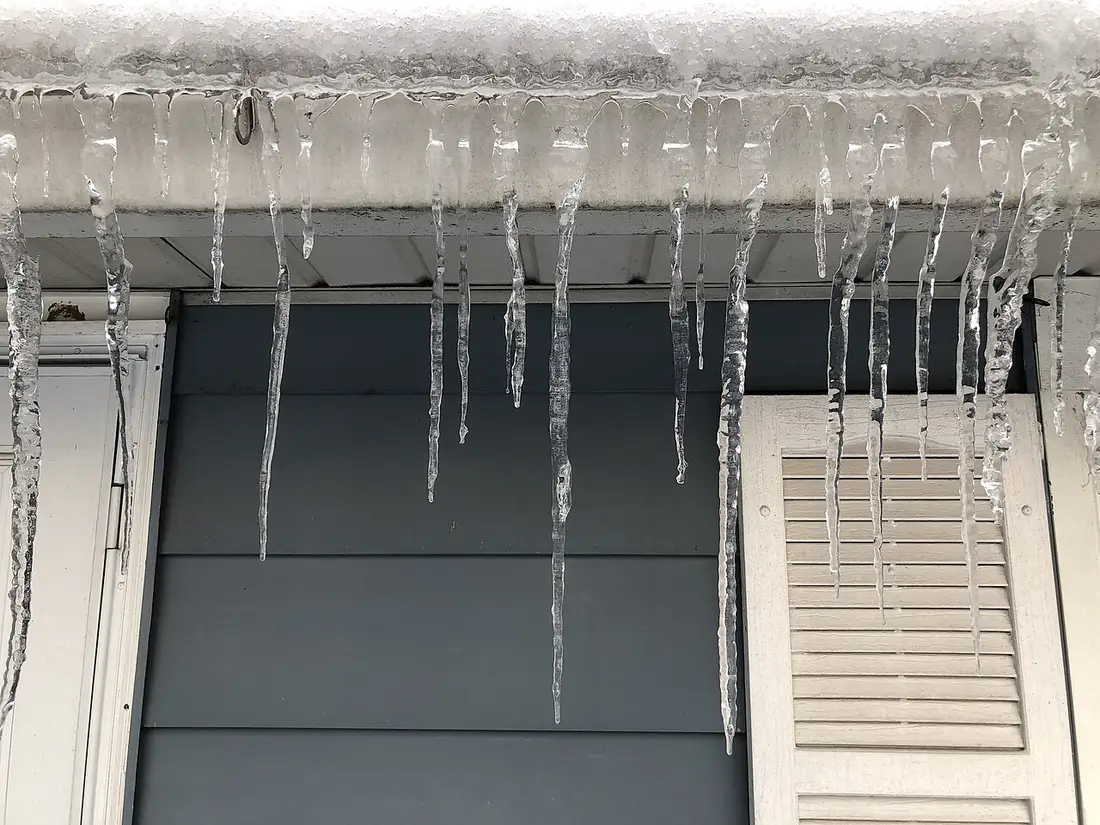
Columbia winters are mild by northern standards and wet by any standard: long frontal rains, saturated clay, and gutters that must move water for days at a stretch. Freezes are brief but real, and a clogged run holding water can split at a seam on the coldest nights. Winter is also reading season - the overflow stains, settled soil and damp crawlspaces visible now are the map of what the summer storms did, and what spring's visit should fix.
Seamless Gutter Installation in Depth
The seamless argument compounds over time. Every seam in a sectional system is a maintenance appointment scheduled by entropy - sealant ages on roughly the same clock at every joint, so sectional systems begin needing attention at several points in the same few seasons. A seamless system's maintenance list is shorter by construction: corners, end caps and outlets, the joints geometry actually requires, and those take a fraction of the attention.
There is a subtler benefit in the interior. Joint lips and fastener bumps are where debris hung up in older systems - the small shelves on which needles bridged and clogs seeded. A smooth continuous channel moves the Midlands' difficult debris to the outlet more honestly, which is why seamless systems, cleaned on the same calendar, tend to be found in better shape at each visit.
Choosing the Right Help
Seamless is the right default for any full-length residential eave in this region, and specifically when the old sectional system has begun leaking at multiple joints. It is less critical on short porch runs and outbuildings, where sectional economics still make sense.
The Climate Behind It
Columbia sits on the fall line, where the Saluda and Broad rivers come together to form the Congaree, and the city's water story starts with simple volume: roughly four feet of rain a year. It does not arrive gently or evenly - it arrives in summer afternoon thunderstorms that can drop an inch in an hour, in the long soaking rains of tropical systems moving inland, and in the steady winter fronts. Every roof in the Midlands hands all of that water to its gutters, and the gutters hand it to the ground. When any link in that chain fails, the house pays.
The debris story is just as local. Columbia's canopy is pine and oak: loblolly and longleaf pines that shed needles in every month, water oaks and live oaks that drop leaves, acorns and catkins across fall and spring. Add the spring pollen season, when a yellow film coats every surface in the city, and a Midlands gutter is never just a water channel - it is a debris channel that also carries water, and it fills on a schedule set by the trees, not by the homeowner.
How Seamless Gutter Installation Works
Measure every eave and map drainage
Each run's length, the roof area above it, and where its water should land are recorded before the machine rolls.
Form the runs on site
Coil stock is rolled into the chosen profile - five or six inch, K-style or half-round - and cut to each eave's exact measurement.
Hang with hidden hangers at close spacing
Continuous runs are carried on hangers spaced for a debris-heavy region, set at a pitch that drains to the outlets.
Seal only the true joints and test
Corners, end caps and outlets get the sealant - the only joints there are - and the system is flow-tested end to end.
Doing It Yourself vs a Professional
The DIY Route
- Ten-foot sections joined in the driveway reproduce the seam problem you were trying to leave
- Seamless runs cannot be cut to length without the machine - a 'seamless' quote without one on the truck is not one
- Hanging a long continuous run without enough hands kinks it, and a kinked run is worse than a seamed one
VS
The Professional Route
- Forms runs on site to the measured eave - check for the machine, not just the word
- Spaces hangers for the region's debris weight, not the minimum the metal allows
- Keeps joints only at corners and outlets, and seals them as the system's known service points
Keep It From Coming Back
A seamless system has fewer joints to defend, and its habits concentrate there - the corners, caps and outlets that remain. These practices protect exactly the points the construction could not eliminate:
- Fewer seams does not mean no maintenance - keep the cleaning calendar your trees dictate.
- Reseal corners on the professional's schedule; they are now the only joints, and they still age.
- Keep outlet strainers clear where they are fitted; they are the system's choke points.
- After any roof work, check that the runs were not bent or re-pitched by ladders and staging.
- Keep the coil color and profile noted in the house file for any future section repair.