Gutter Guards & Leaf Protection Through the Columbia Year
Columbia winters are mild by northern standards and wet by any standard: long frontal rains, saturated clay, and gutters that must move water for days at a stretch. Freezes are brief but real, and a clogged run holding water can split at a seam on the coldest nights. Winter is also reading season - the overflow stains, settled soil and damp crawlspaces visible now are the map of what the summer storms did, and what spring's visit should fix.
Fall brings the double load: the tail of the tropical season, when a slow remnant can rain for days, and the start of leaf drop from the oaks. It is also the repair window - the weeks when cleaning, resealing and replacing happen in dry weather, before winter's steadier rains. Midlands homes that use the fall window enter winter with empty gutters and sound seams; homes that skip it carry a full debris load into the wettest stretch of the year.
Summer is the Midlands' main event: 'Famously Hot' is the city's own slogan, and the heat builds the towering afternoon cells that drop the year's hardest rain in the year's shortest windows. This is when undersized gutters show it, when clogged downspouts turn runs into waterfalls, and when overflow does its quiet work on fascia and foundations. Gutter work in summer is triage and honesty - what the storms expose gets fixed before the tropical season peaks.
Gutter Guards & Leaf Protection in Depth
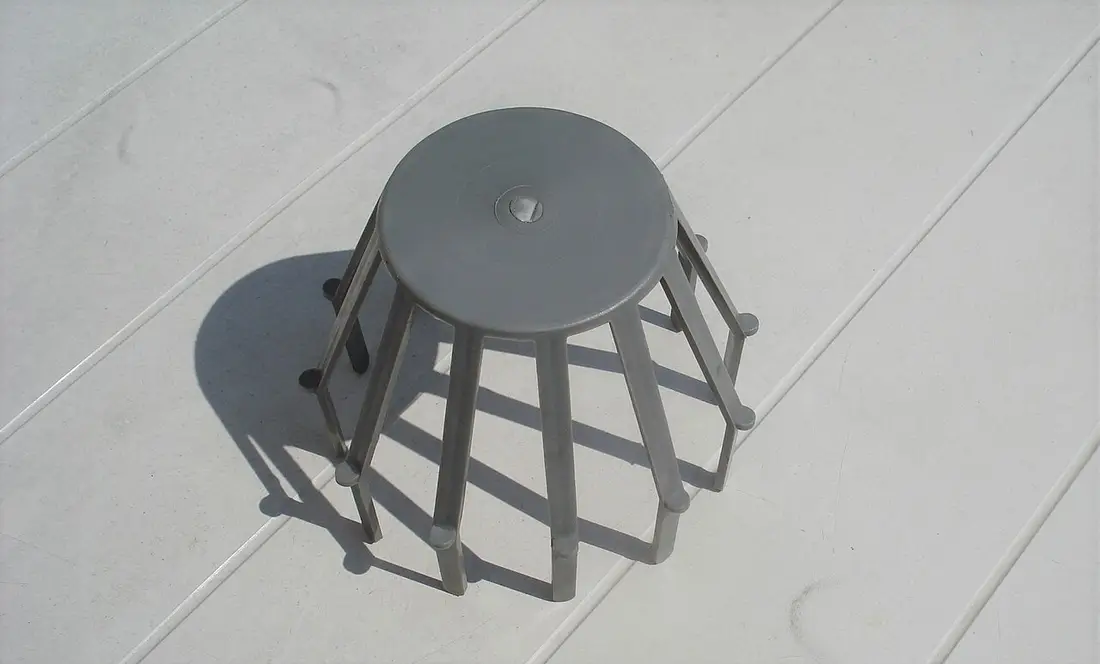
Guard selection is where gutter work becomes local natural history. The hardware families are few; the debris types are specific; and the match between them is the entire discipline. A guard that is excellent under maples in another state can be a liability under Columbia pines, and the regional installer's real product is not any panel - it is the knowledge of which panel survives which tree, on which roof pitch, in this rainfall.
Ownership after fitting has its own honesty requirement. Guards move the maintenance, they do not delete it: surfaces get brushed, outlets get checked, and the system beneath gets inspected on schedule. Homeowners who are told the true calendar keep guards for decades; homeowners sold a fantasy blame the hardware for the pitch. The technology is good. The promise is what needs guarding.
Choosing the Right Help
Guards are the choice when the debris load and the cleaning calendar cannot be reconciled - heavy pine cover, risky rooflines, or a household done with ladders. Choose by debris match, stated maintenance and metal construction, in that order.
The Climate Behind It
Columbia sits on the fall line, where the Saluda and Broad rivers come together to form the Congaree, and the city's water story starts with simple volume: roughly four feet of rain a year. It does not arrive gently or evenly - it arrives in summer afternoon thunderstorms that can drop an inch in an hour, in the long soaking rains of tropical systems moving inland, and in the steady winter fronts. Every roof in the Midlands hands all of that water to its gutters, and the gutters hand it to the ground. When any link in that chain fails, the house pays.
The debris story is just as local. Columbia's canopy is pine and oak: loblolly and longleaf pines that shed needles in every month, water oaks and live oaks that drop leaves, acorns and catkins across fall and spring. Add the spring pollen season, when a yellow film coats every surface in the city, and a Midlands gutter is never just a water channel - it is a debris channel that also carries water, and it fills on a schedule set by the trees, not by the homeowner.
How Gutter Guards & Leaf Protection Works
Read the debris before the hardware
The trees over each eave are identified - needle, leaf, or mixed - because they, not marketing, select the guard type.
Match surface to load and roof
Fine mesh for needles, perforated or louvered covers for leaf loads, slope and roof material checked against overshoot in hard rain.
Clean and correct the system first
Guards go onto empty, sound, correctly pitched gutters - protecting a clogged or sagging system preserves the problem under a lid.
Fit, flash and brief the new calendar
Panels are fitted to the roofline and fascia correctly, and you get the honest maintenance rhythm the system now needs: surface checks, outlet checks, and what still gets cleaned.
Doing It Yourself vs a Professional
The DIY Route
- One-size screens from a shelf are sized for a generic tree that does not grow in Columbia
- Installing guards over full gutters seals the clog in and the overflow continues under new hardware
- Screwing panels through shingles to 'secure' them can trade a gutter problem for a roof warranty problem
VS
The Professional Route
- Selects by debris type - asks about your trees before showing a product
- Cleans and corrects the gutter system before a single panel goes on
- States the maintenance the guards will still need, in writing, before you commit
Keep It From Coming Back
Guards change the chores rather than ending them. The guarded system's calendar is lighter, faster and mostly ground-level - these are its actual terms, stated plainly:
- Brush or blow the guard surface after the heavy drops - the surface is the new cleaning, and it is faster and safer.
- Keep valley diverter areas clear; valleys concentrate both water and debris onto small guard sections.
- Check outlets at ground level after storms - protection should keep them pouring freely.
- Trim the limbs that dump directly onto the roof where practical.
- Have the system inspected under the guards on the professional's schedule - seams and pitch still age underneath.