Seamless vs Sectional Gutters in Columbia: Which Is Right for Your Home?
Choosing by habit or by price tag alone, then discovering the other system's costs one repair at a time.
Read the Guide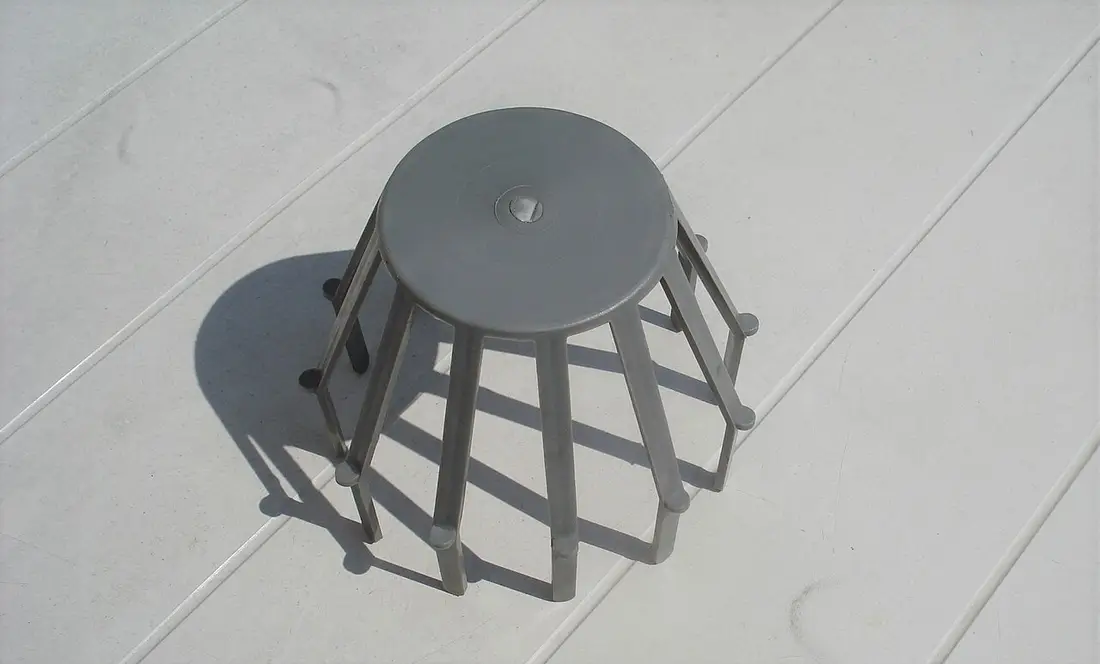
Buying the sales pitch - 'never clean again' - or dismissing guards entirely because the pitch is false.
Problem: Buying the sales pitch - 'never clean again' - or dismissing guards entirely because the pitch is false.
Solution: Judge guards on the true ledger: debris kept out, cleaning changed rather than ended, overflow risks matched to your trees and roof pitch.
When to call: Ask a professional when your lot is pine-heavy or the roofline is tall - those are the cases where the numbers most often favor guards, properly chosen.
The question deserves a better answer than the brochures give. Gutter guards in Columbia are neither miracle nor scam - they are a trade: money and a changed maintenance routine, in exchange for keeping a specific debris load out of a specific gutter system. Whether the trade favors you depends on three local facts: what grows over your roof, how hard your roof is to service, and which guard family the debris actually calls for. This guide prices the trade honestly, in those terms.
The debris story is just as local. Columbia's canopy is pine and oak: loblolly and longleaf pines that shed needles in every month, water oaks and live oaks that drop leaves, acorns and catkins across fall and spring. Add the spring pollen season, when a yellow film coats every surface in the city, and a Midlands gutter is never just a water channel - it is a debris channel that also carries water, and it fills on a schedule set by the trees, not by the homeowner.
A well-matched guard keeps the trough and - most importantly - the outlets clear between visits. That is the real prize: most overflow damage traces to dammed exits, and a system whose exits stay open through the leaf drop and the needle fall survives the calendar gaps that defeat unguarded gutters. Guards convert cleaning from excavation to inspection.
They also change the safety ledger. A two-story Columbia roofline serviced twice a year is a recurring ladder risk, whoever climbs it. Guarded systems move most maintenance to surface clearing, much of it reachable more safely - a benefit that never appears in per-foot comparisons and matters every single visit.
They do not end maintenance. Surfaces collect the debris the trough no longer does; valleys concentrate it; outlets still want checking; and the gutter beneath still ages - seams, pitch and hangers on their own clocks. Any worth-it calculation that assumes zero future cost is using the brochure's arithmetic.
And they do not suit every debris. Coarse products under Columbia pines can be worse than nothing - needles spear, mat, and shed storm water over a system running empty beneath the mat. The worth-it question is always guard-plus-lot, never guard alone.


Pine-dominated lots lead the list: the needle calendar otherwise demands three cleanings a year, and fine-mesh protection cuts that load at the source. Tall and steep rooflines follow - where each cleaning is expensive or hazardous, reducing their number pays quickly. Homes whose owners travel or split the year elsewhere benefit differently: guards forgive an unattended season that would overflow an open trough.
The marginal cases are equally clear: open lots with a single small tree, low one-story rooflines a homeowner safely services, and roofs slated for near-term replacement all weaken the trade. On those, the same money buys years of straightforward cleaning, and the honest installer says so.
Price the comparison in years: quote the guard installation once, then set it against your actual cleaning costs - visits per year your trees demand, times their price, across the years you will hold the house. Add the intangibles where they are real: ladder risk, travel, the overflow damage a dammed season would do. Most Columbia homeowners find the answer stops being close once the pine count and the roof height enter honestly.
Then choose the family by the tree, the material by the decade: fine stainless mesh for needles, quality aluminum covers for leaf loads, plastic only where a short horizon justifies it. The worth-it verdict and the which-one verdict are the same conversation - a guard that pays on paper and fails on your debris was never worth it at all.
Run the comparison the way an accountant would, without inventing anyone's prices. On the unguarded side: your lot's true visits per year, times the going rate for your roofline's height, times ten - plus the statistical cost of the season that gets missed, which under pines is not a remote contingency. On the guarded side: installation once, surface care across the decade, and the residual inspections the system still needs.
The ledger's swing factors are the visits-per-year number and the roof's service difficulty. At two easy visits a year, guards usually lose the decade on cost alone and win only on convenience. At three visits, or two difficult ones, the lines cross - and under Columbia pines, three-visit lots are common enough that the cross is the region's normal case.
The consistent surprise is not the troughs - it is the outlets. Owners of matched systems describe storms watched from the porch with a new sound: every downspout working, evenly, through rain that used to produce a waterfall somewhere. The second report is the calendar's texture: maintenance becomes a chore measured in minutes with a brush, at heights that feel ordinary.
The regrets cluster predictably too: coarse guards bought against needles, panels fitted over uncorrected pitch, and valley sections left without diverter attention. Every regret is a selection or fitting error, not a category error - which is why this guide keeps returning the decision to debris, roof and installer rather than to brand.
Landlords read guards as visit reduction across a portfolio of Midlands rentals, where a missed cleaning is a tenant complaint and a fascia invoice. For rental rooflines the calculation often favors guards earlier than for owner-occupied homes, because the cost of the missed visit is higher and less controllable.
Sellers should expect guards to read as evidence of a maintained system, not as a recoupable line item - they support the inspection narrative rather than the appraisal. Buyers inheriting guards should ask the only question that matters: what maintenance have they actually been getting, because a guarded system with no surface care for five years is an unguarded system wearing a lid.
Guard selection is where gutter work becomes local natural history. The hardware families are few; the debris types are specific; and the match between them is the entire discipline. A guard that is excellent under maples in another state can be a liability under Columbia pines, and the regional installer's real product is not any panel - it is the knowledge of which panel survives which tree, on which roof pitch, in this rainfall.
That is the service side of this guide's subject. When you are ready, the Gutter Guards & Leaf Protection page carries the process, the coverage by neighborhood and the number to call.
Use your own overflow history, not a generic calendar: spills between visits are data.
Visits per year times realistic visit cost times years in the home - the baseline the guards must beat.
Needles take fine mesh; leaves take covers; mixed loads take the installer's Midlands judgment.
What surface care, what outlet checks, what inspection rhythm - before the panels go on.
Installation versus a decade of cleaning plus risk minus residual maintenance. Decide on the sum, not the slogan.
True cleaning frequency from your own overflow history, not a generic schedule
Ten-year cleaning cost for your roofline estimated before pricing guards
Dominant debris matched to guard family - needles to fine mesh, leaves to covers
Maintenance terms for the guarded system obtained in writing
A guard quotation scoped honestly begins with the gutter, not the guard: the system cleaned, pitch corrected, joints sound, and the fitting priced as work on a verified foundation. Any quote that skips the foundation is pricing panels over unknown conditions.
The same scope should name the valley treatment, the outlet protection detail, and the surface-care rhythm the finished system will need - the three places guard installations succeed or fail in the Midlands. If the written scope lacks them, ask; the answers are the installer's real product description.
The guard professional's reputation is made in the second year, when the matched systems are quietly working and the mismatched ones are being removed by someone else. That is why the debris conversation comes before the product conversation in any practice that plans to stay in this market: the panel is a commodity, but the match is the craft.
Selling 'never clean again' - the phrase returns as the owner's grievance at the first surface clearing
Fitting guards over uncorrected pitch or clogged runs to close the sale this week
Choosing a guard tier by shelf price on a pine lot, where the needle failure is a season away and certain
Worth it is a sentence with your lot in it: your pines, your roofline, your calendar, your decade. Run the ledger with those nouns filled in and the answer is rarely close - which is how you know it is finally the right question.
Choosing by habit or by price tag alone, then discovering the other system's costs one repair at a time.
Read the GuideGuesswork - cleaning when the waterfall appears, which is cleaning a season late.
Read the GuideThey register as a maintained system rather than an appraised line item - buyers and inspectors read clean, functioning gutters as a cared-for house. The honest value case is the maintenance and damage math, not resale promises.
Yes, provided the system earns them: cleaned, pitch-corrected and sound. Guards amplify the condition beneath them - fitted over a sagging, clogged run they preserve the problem under a lid, which is why reputable fitting starts with the gutter, not the guard.
Panels are removable - the experiment is reversible in a way most exterior work is not. That said, mismatches are nearly always debris mismatches, and a debris-first selection almost never produces them. Choose by the tree and the odds are with you.
On low, small, leaf-only rooflines with a short holding horizon, they can be a rational economy. Under pines, on tall homes, or across a decade, their failure modes cost more than the saving. The debris and the horizon should choose the tier, not the shelf price.
One call connects you with a gutter professional serving Columbia and the surrounding Midlands communities - installation, repair, cleaning, guards and drainage.
📞 Call Now