Downspout Installation & Repair Through the Columbia Year
Summer is the Midlands' main event: 'Famously Hot' is the city's own slogan, and the heat builds the towering afternoon cells that drop the year's hardest rain in the year's shortest windows. This is when undersized gutters show it, when clogged downspouts turn runs into waterfalls, and when overflow does its quiet work on fascia and foundations. Gutter work in summer is triage and honesty - what the storms expose gets fixed before the tropical season peaks.
Fall brings the double load: the tail of the tropical season, when a slow remnant can rain for days, and the start of leaf drop from the oaks. It is also the repair window - the weeks when cleaning, resealing and replacing happen in dry weather, before winter's steadier rains. Midlands homes that use the fall window enter winter with empty gutters and sound seams; homes that skip it carry a full debris load into the wettest stretch of the year.
Columbia winters are mild by northern standards and wet by any standard: long frontal rains, saturated clay, and gutters that must move water for days at a stretch. Freezes are brief but real, and a clogged run holding water can split at a seam on the coldest nights. Winter is also reading season - the overflow stains, settled soil and damp crawlspaces visible now are the map of what the summer storms did, and what spring's visit should fix.
Downspout Installation & Repair in Depth
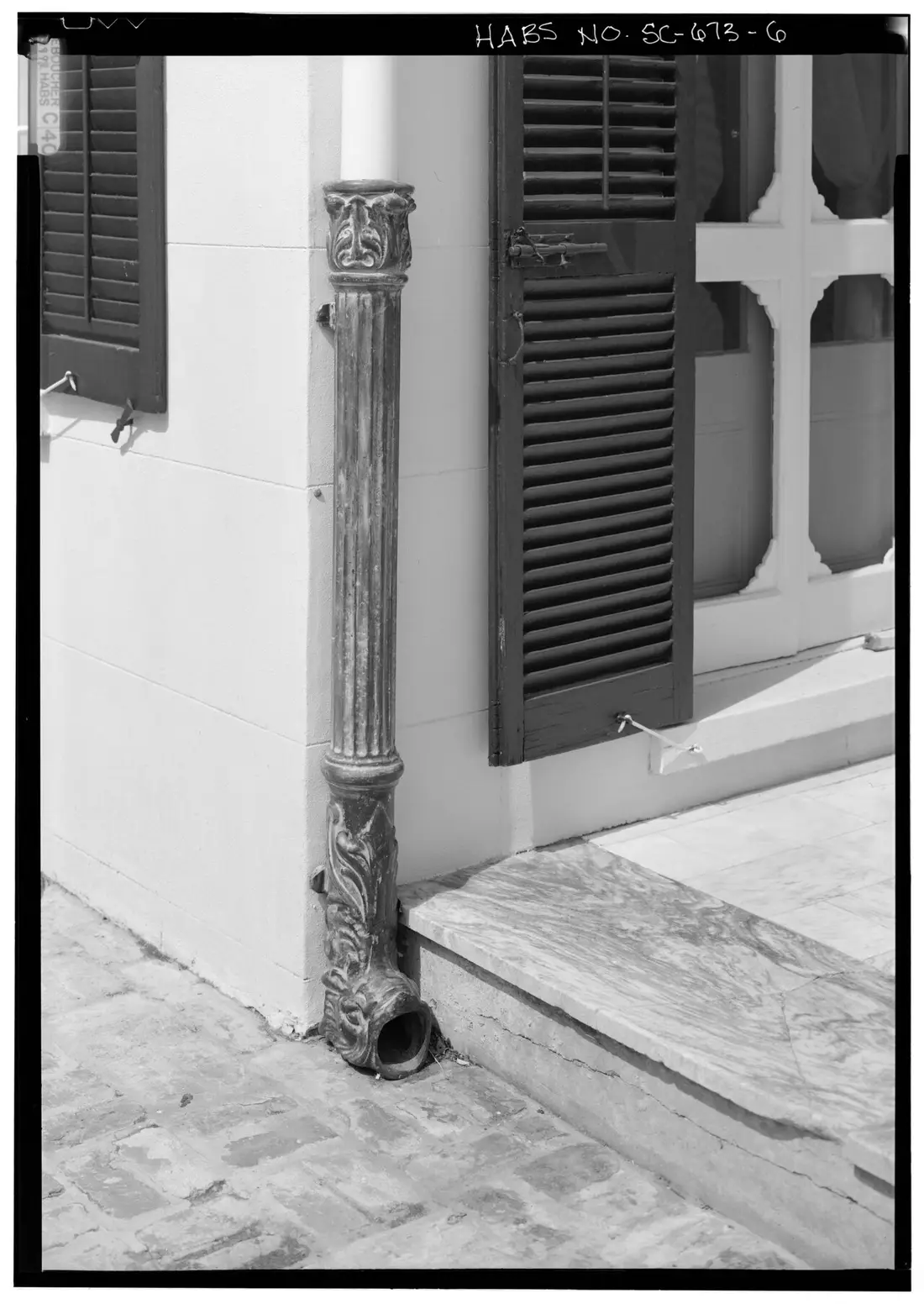
Downspouts fail quietly in a way gutters do not. A trough announces its clog with a waterfall; a blocked downspout can hide behind a system that looks serviceable, backing water up into the trough's far corners and soaking the fascia at the outlet for seasons before anyone reads the signs. The flow test - water in at the top, a strong exit at the bottom - is the only honest check, and it belongs in every gutter service on the calendar.
Placement is the design half of the craft, and it is underrated. A downspout moved a few feet can clear a walkway, spare a bed, and land its water on falling ground; the same downspout left where the original builder found it convenient can spend twenty years eroding the foundation corner. When additions change a roof's drainage, the downspouts deserve the same redesign the gutters get.
Choosing the Right Help
Downspout work is the choice when the troughs behave and the failures gather at the drops and the ground - elbow spills, lazy flow, discharge wounds at the foundation. It is also the natural companion scope to any installation or replacement.
The Climate Behind It
Columbia sits on the fall line, where the Saluda and Broad rivers come together to form the Congaree, and the city's water story starts with simple volume: roughly four feet of rain a year. It does not arrive gently or evenly - it arrives in summer afternoon thunderstorms that can drop an inch in an hour, in the long soaking rains of tropical systems moving inland, and in the steady winter fronts. Every roof in the Midlands hands all of that water to its gutters, and the gutters hand it to the ground. When any link in that chain fails, the house pays.
The debris story is just as local. Columbia's canopy is pine and oak: loblolly and longleaf pines that shed needles in every month, water oaks and live oaks that drop leaves, acorns and catkins across fall and spring. Add the spring pollen season, when a yellow film coats every surface in the city, and a Midlands gutter is never just a water channel - it is a debris channel that also carries water, and it fills on a schedule set by the trees, not by the homeowner.
How Downspout Installation & Repair Works
Trace each drop from outlet to ground
Every downspout is followed its full length - outlet, elbows, straps, seams and shoe - and flow-tested where blockage is suspected.
Clear or replace the failing section
Packed elbows are opened and cleared; crushed, split or rusted sections are replaced in matching profile and color.
Correct count and capacity where the roof demands it
Where a roof plane has outgrown its drop, the fix is sized honestly - a larger profile or an added downspout placed by the drainage map.
Set the discharge to protect the foundation
Extensions, splash blocks or drain connections put the water on ground that carries it away from the house - verified, not assumed.
Doing It Yourself vs a Professional
The DIY Route
- Snaking an elbow from below pushes the needle plug up into the outlet where it sets harder
- Adding an extension without checking slope lays a flat pipe that ponds and backs up
- Replacing a crushed section with a smaller profile saves inches and loses the capacity the roof needed
VS
The Professional Route
- Tests flow at each drop individually - a system is only as drained as its worst downspout
- Matches profile and color on replacement sections so repairs do not read as patches
- Treats discharge placement as foundation work, with the ground's slope checked, not guessed
Keep It From Coming Back
Downspouts ask little: an ear during storms, clear shoes, straps that hold. These small habits catch the blockages and dents before they become the system's hidden failures:
- Listen during a downpour: every downspout should roar a little; a quiet one is a clogged one.
- Keep the shoe and first extension section clear of mulch and soil creep.
- Re-strap any downspout that moves in wind before it works its elbow loose.
- After any gutter cleaning, ask for downspout flow results by name - they are the point of the exercise.
- Keep mower and ladder traffic off the bottom sections; the shoe is the system's most-dented part.